
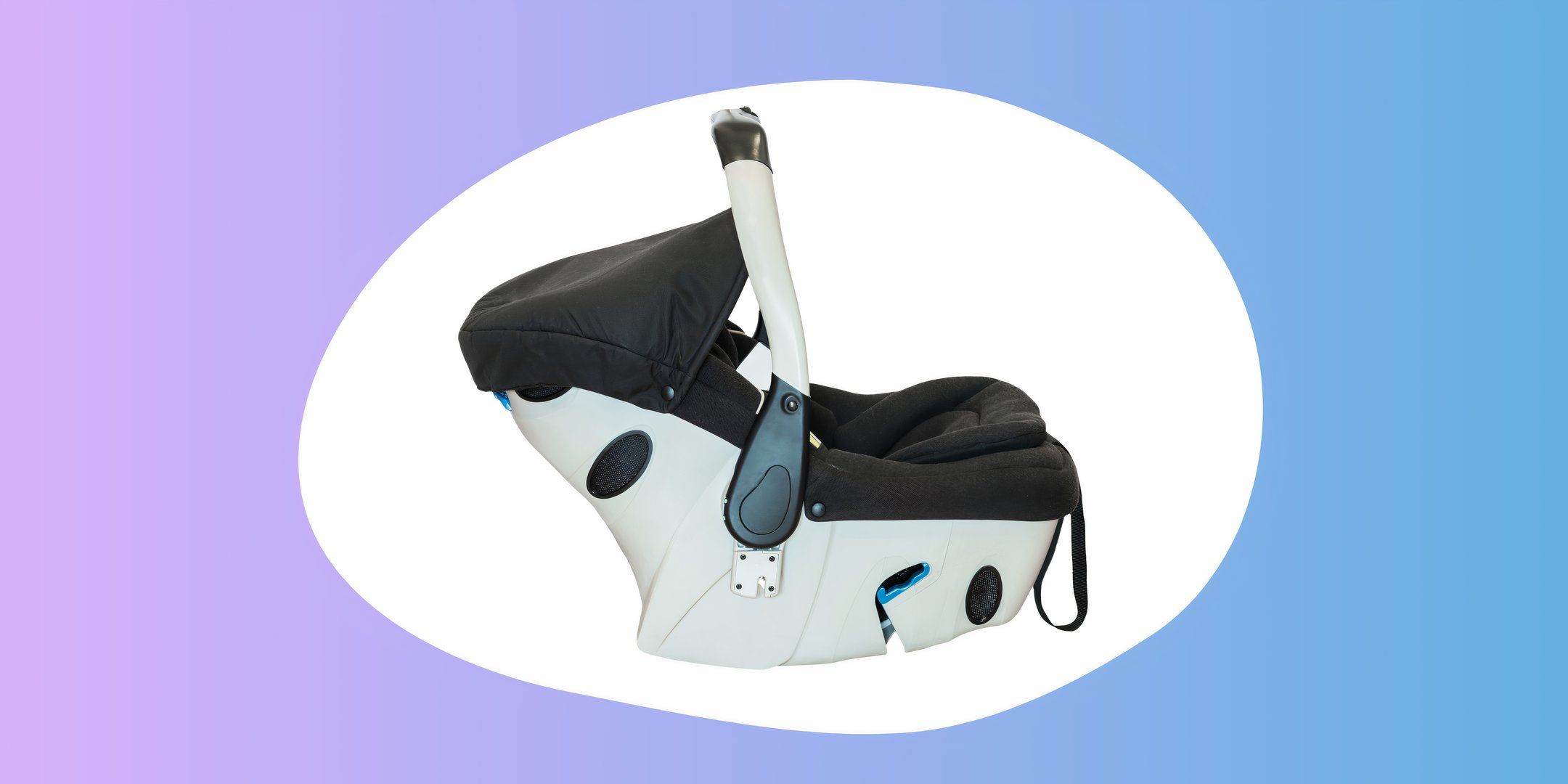
As parents, nothing is more important than keeping our children safe, especially when we're on the road. The thought of anything happening to them is terrifying, and we constantly strive to ensure their well-being in every situation.
Understanding the LATCH system is a crucial step in making sure your child's car seat is installed correctly and securely. It’s designed to simplify car seat installation, potentially reducing errors and giving you peace of mind knowing your little one is as safe as possible. Properly installed car seats are essential for child passenger safety, dramatically decreasing the risk of injury in the event of a car crash.
One simple habit to adopt right away is to check your car seat installation every time you buckle your child in. A quick wiggle test at the belt path can reveal if the seat has become loose. Consistent checks provide consistent safety!
Understanding the LATCH System for Car Seats
The LATCH system, which stands for Lower Anchors and Tethers for Children, is a standardized attachment system for car seats. It's designed to make car seat installation easier and more secure without relying on vehicle seat belts. Understanding how LATCH works and its limitations is key to ensuring your child's car seat is properly installed.
What Does LATCH Consist Of?
The LATCH system has three main components: Lower Anchors: These are metal anchors located in the bight (the crack) of your vehicle's rear seats, where the seat cushion meets the seat back. Most vehicles manufactured after 2002 are equipped with lower anchors. Car seats have corresponding attachments that clip onto these anchors. Tether Anchor: This is a metal anchor located behind the rear seat, on the rear deck, or on the vehicle's ceiling. The tether strap on the car seat hooks onto this anchor, providing an additional point of stability, especially for forward-facing car seats. LATCH Connectors on the Car Seat:These are the attachments on the car seat that connect to the lower anchors in your vehicle. These can be either hook-like or push-button style.
Why Use LATCH?
The LATCH system offers several advantages: Easier Installation: LATCH is designed to be more straightforward than using seat belts for installation, reducing the risk of mistakes. Secure Attachment: When used correctly, LATCH provides a secure connection between the car seat and the vehicle. Standardization:The standardized system ensures compatibility between different car seat brands and vehicle models.
LATCH Weight Limits: Knowing the Numbers
It'scriticalto understand that the LATCH system has weight limits. Both the car seat and your vehicle have specific weight limits for using the lower anchors. These limits are in place to ensure the system's integrity and prevent failure in a crash.
Car Seat Weight Limit: Check your car seat's manual for the maximum weight of the child that can use the LATCH system. This weight limit usually refers to the child’s weight, not the combined weight of the child and the car seat. Vehicle Weight Limit: Your vehicle's owner's manual will also specify the maximum weight for using the lower anchors. This limit may be expressed as a maximum child weight or a combined weight of the child and car seat.
Important Note: If your child exceeds the car seat manufacturer's weight limit for LATCH, you MUST switch to installing the car seat using the vehicle's seat belt. This ensures that the car seat is properly secured and that the LATCH system isn't overloaded. You’ll also still use the top tether strap, even when using the seatbelt installation method, if your car seat and vehicle accommodate it.
How to Find the Weight Limits
1.Consult the Car Seat Manual: This is the primary source for information about your car seat, including its weight limits for LATCH. Look for a section specifically addressing installation and weight restrictions.
2.Check the Vehicle Owner's Manual: Your vehicle's manual will provide information on the location of LATCH anchors, their weight limits, and other relevant safety guidelines.
3.Contact the Manufacturer: If you're unsure about the weight limits or can't find the information in the manuals, contact the car seat or vehicle manufacturer directly for clarification.
LATCH Installation Tips: A Step-by-Step Guide
Proper installation is key to maximizing the safety benefits of the LATCH system. Here's a step-by-step guide to help you install your car seat correctly using LATCH:
1.Read the Manuals: Before you begin, thoroughly read both your car seat manual and your vehicle owner's manual. Understand the specific instructions and guidelines for your car seat and vehicle model.
2.Locate the LATCH Anchors: Find the lower anchors in your vehicle's rear seat and the tether anchor behind the seat or on the rear deck.
3.Attach the Lower Connectors: Connect the LATCH connectors on the car seat to the lower anchors in the vehicle. Ensure they click securely into place.
4.Tighten the Connectors: Tighten the LATCH strap to remove slack and secure the car seat. Use your body weight to push down on the car seat while tightening the strap for a snug fit.
5.Attach the Tether Strap (for Forward-Facing Seats): If you're installing a forward-facing car seat, attach the tether strap to the tether anchor in your vehicle. Tighten the tether strap to further stabilize the car seat.
6.Check for Movement: Once the car seat is installed, check for movement. It should not move more than one inch side-to-side or front-to-back when pulled at the belt path. If it moves more than an inch, retighten the straps or consider reinstalling the car seat.
Common LATCH Installation Mistakes to Avoid
Using LATCH in the Center Seat When Not Allowed: Some vehicles don't have LATCH anchors in the center seat. Check your vehicle's manual to confirm if center LATCH installation is permitted. Exceeding Weight Limits: As mentioned earlier, exceeding the weight limits for LATCH can compromise the system's integrity. Always adhere to the weight limits specified in the car seat and vehicle manuals. Loose Installation: A loose car seat is dangerous. Ensure that the car seat is tightly secured and doesn't move excessively. Twisted Straps: Twisted straps can compromise their strength and effectiveness. Make sure all straps are flat and untwisted. Ignoring the Tether Strap (for Forward-Facing Seats):The tether strap provides crucial stability for forward-facing car seats. Always use the tether strap when available.
People Also Ask:
How do I install a car seat securely?
The key to secure car seat installation, whether using LATCH or the seat belt, is to read BOTH the car seat and vehicle owner's manuals thoroughly. Understand the specific instructions for your car seat model and vehicle. Tighten the straps properly to eliminate slack and ensure the seat doesn't move more than an inch in any direction at the belt path. For forward-facing seats, always use the top tether strap. Finally, have your installation checked by a certified Child Passenger Safety Technician (CPST).
When should I switch to a booster?
Transitioning to a booster seat depends on your child's age, weight, and height, as well as the car seat's limits. Most kids are ready for a booster between 8 and 12 years old, but it's safest to keep them in a harnessed car seat as long as possible, up to the seat's maximum weight and height limits. A booster seat is appropriate when your child has outgrown the car seat's harness, can sit properly in the booster for the entire ride (without slouching or fidgeting), and meets the booster seat's minimum requirements. High-back boosters are typically recommended before transitioning to a backless booster.
What if my car doesn't have LATCH?
If your car doesn't have LATCH, don't worry! Car seats can be installed safely and securely using the vehicle's seat belt system. The seat belt installation method is just as safe as LATCH when done correctly. Follow the instructions in your car seat and vehicle manuals carefully to ensure proper installation. In fact, once your child reaches the LATCH weight limit, you willhaveto install the car seat with the vehicle seat belt.
Car Seat Expiration Dates and Replacement After a Crash
Car seats don't last forever. They have expiration dates, typically six to ten years from the date of manufacture. The expiration date is usually printed on a sticker on the car seat.
Why Do Car Seats Expire?
Plastic Degradation: The plastic components of car seats can degrade over time due to exposure to sunlight, temperature changes, and regular use. This degradation can weaken the car seat and compromise its ability to protect your child in a crash. Changes in Safety Standards: Car seat safety standards and regulations evolve over time. Expired car seats may not meet the latest safety requirements. Wear and Tear:Regular use can cause wear and tear on the car seat's straps, buckles, and other components. This wear and tear can affect the car seat's performance.
Replacing a Car Seat After a Crash
Even if a car seat isn't expired, it may need to be replaced after a crash. The National Highway Traffic Safety Administration (NHTSA) recommends replacing a car seat after a moderate or severe crash.
Minor Crashes: In a minor crash, where there were no injuries, the vehicle could be driven away safely, and the door nearest the car seat was undamaged, the car seat doesn'tnecessarilyneed to be replaced. However, you should always inspect the car seat for any signs of damage. Moderate to Severe Crashes: In a moderate to severe crash, where there were injuries or the vehicle sustained significant damage, the car seat should be replaced, even if there are no visible signs of damage. The crash forces can compromise the car seat's structural integrity, making it less effective in a future crash.
Rear-Facing Car Seats: The Safest Option for Infants and Toddlers
Keeping your child in a rear-facing car seat for as long as possible is one of the best ways to protect them in a crash. Rear-facing car seats provide superior protection for the head, neck, and spine.
Benefits of Rear-Facing
Better Support for the Head and Neck: In a crash, a rear-facing car seat distributes the crash forces across the entire back of the seat, providing better support for the child's head and neck. This reduces the risk of serious injury. Reduced Risk of Spinal Cord Injuries: Rear-facing car seats help to keep the child's spine aligned during a crash, reducing the risk of spinal cord injuries.
When to Turn Forward-Facing
Keep your child in a rear-facing car seat until they reach the maximum weight or height limit specified by the car seat manufacturer. Don't be tempted to turn them forward-facing prematurely. Many car seats now allow children to remain rear-facing until they are quite tall and heavy, offering extended protection.
Family Road Trip Prep: Car Seat Safety Checklist
Before embarking on a family road trip, take the time to ensure your child's car seat is in optimal condition. Here's a checklist to guide you: Check the Installation: Verify that the car seat is properly installed using either LATCH or the seat belt. Ensure it's tightly secured and doesn't move excessively. Inspect the Straps and Buckles: Check the straps for any signs of wear and tear, such as fraying or cuts. Ensure the buckles are working properly and that the straps are properly threaded. Review the Harness Fit: Make sure the harness straps are at the correct height for your child and that they are snug but not too tight. You should be able to slide one finger between the strap and your child's shoulder. Check the Expiration Date: Verify that the car seat hasn't expired. If it has, replace it with a new one. Pack a Car Seat Safety Kit: Include essentials like a copy of the car seat manual, a towel or blanket to help level the seat, and any necessary tools for adjusting the straps or buckles. Plan for Breaks: Long road trips can be tiring for everyone. Plan for regular breaks to stretch your legs, have a snack, and give your child a chance to move around. This can help prevent fidgeting and keep them comfortable. Check the Car Seat After Stops:Especially after rest stops or meal breaks, quickly double-check the car seat installation and harness fit. Kids can sometimes loosen straps while parents are preoccupied.
We know that navigating the world of car seat safety can feel overwhelming, but you're doing great! By understanding the LATCH system, weight limits, and installation guidelines, you're taking proactive steps to protect your precious cargo. Remember to always consult your car seat and vehicle manuals for specific instructions, and don't hesitate to seek help from a certified Child Passenger Safety Technician if you have any questions. Every effort you make contributes to a safer journey for your family. Keep learning, keep checking, and keep those little ones safe!
Post a Comment for "Understanding the LATCH System for Car Seats"