
As parents, nothing is more important than the safety of our children, especially when we're on the road. Planning a trip often means juggling dozens of details, and figuring out car seat arrangements shouldn’t add to the stress. Knowing your child is secure and comfortable in a properly installed car seat is a huge relief, allowing you to focus on enjoying the journey.
Understanding car seat usage in rental vehicles empowers you to prioritize your child’s well-being, no matter where your travels take you. By familiarizing yourself with the rules, regulations, and best practices, you can confidently ensure your little one travels safely in every rental car. This knowledge not only provides peace of mind but also equips you to advocate for your child's safety.
One quick tip? Always pack your car seat in a padded travel bag. This helps protect it from damage during transit and makes it easier to carry through airports or rental car facilities.
Can I Use a Car Seat in a Rental Vehicle?
Absolutely! You can andshoulduse a car seat in a rental vehicle. Just like in your personal car, ensuring your child is properly secured in an appropriate car seat or booster seat is paramount for their safety. All child passenger safety laws apply to rental cars, so you're required to follow the same regulations you would at home. Ignoring these laws puts your child at serious risk.
However, there are a few key considerations to keep in mind when using a car seat in a rental car. It’s not as simple as just grabbing the keys and going. We'll walk through what you need to know to make sure your child is safe and comfortable on your next adventure.
Understanding Rental Car Company Policies
Rental car companies are required to adhere to all state and local child passenger safety laws. This means they cannot rent you a vehicle if you have a child who legally requires a car seat and you don't have one.
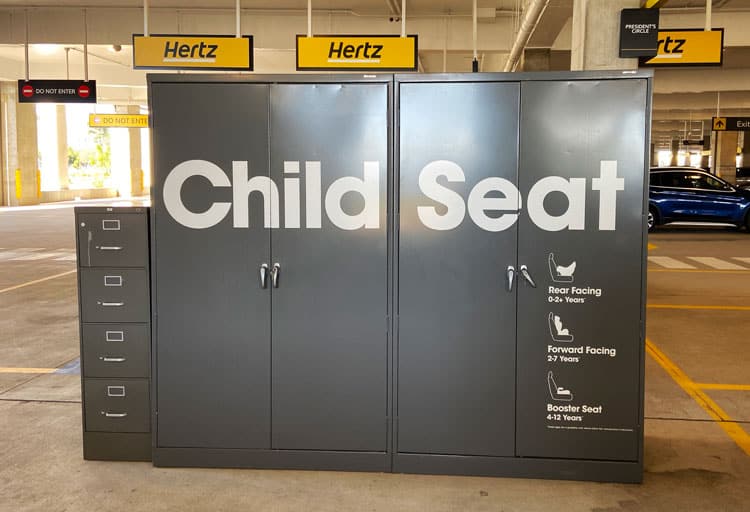
Renting a Car Seat from the Rental Company: Many rental companies offer car seat rentals as an add-on service. While convenient, this option comes with potential drawbacks.
Cleanliness and Condition: You have no guarantee about the cleanliness or condition of a rental car seat. It might have been involved in a previous accident, be missing parts, or simply be dirty. Proper Installation: Rental companies are typicallynotresponsible for installing the car seat correctly. This responsibility falls on you, the parent or caregiver. Cost: Renting a car seat can be surprisingly expensive, potentially costing more than bringing your own, especially for longer trips. Expiration Dates: Rental companies don’t always track car seat expiration dates diligently. Using an expired car seat is incredibly dangerous.
Why Bringing Your Own is Usually Best: Bringing your own car seat ensures: Familiarity: You already know how to install and use your own car seat correctly. History: You know the history of your car seat and can be confident it hasn't been compromised. Cost Savings: Over time, using your own car seat saves you money compared to repeatedly renting. Peace of Mind:Knowing your child is in a familiar, trusted car seat provides invaluable peace of mind.
Preparing to Use Your Car Seat in a Rental
Before you even pick up your rental car, a bit of planning goes a long way. This is about family road trip prepandprioritizing your little ones’ well-being.
1.Check Car Seat Expiration Dates: All car seats have expiration dates printed on them. Using an expired seat is unsafe because the plastic and other materials can degrade over time, reducing their effectiveness in a crash.
2.Review Your Car Seat Manual: Refresh your memory on the proper installation techniques for your specific car seat model. Different seats have different requirements.
3.Understand LATCH vs. Seatbelt Installation: The Lower Anchors and Tethers for CHildren (LATCH) system and seatbelt installation are the two primary ways to secure a car seat. Know which method is appropriate for your child's weight and the car seat's specifications. Also, understand the vehicle's LATCH limitations. Some vehicles only allow LATCH installation in certain seating positions.
4.Consider a Travel Bag: Invest in a durable, padded travel bag to protect your car seat during transit. This prevents damage that could compromise its safety.
5.Practice Installation: Before your trip, practice installing your car seat in your own vehicle a few times. This will make the process smoother and faster when you're at the rental car facility.
How do I install a car seat securely?
Read the Manuals: Both your car seat and the rental vehicle's owner's manual are your best resources. Follow the instructions precisely. Use the Correct Installation Method: Use either the LATCH systemorthe seatbelt, but never both at the same time unless explicitly permitted by both manuals. Tighten Securely: Ensure the car seat is tightly installed with minimal movement (less than one inch side-to-side or front-to-back at the belt path). Use the Top Tether (for Forward-Facing Seats): Always use the top tether for forward-facing car seats. It significantly reduces head excursion in a crash. Get it Checked:Once installed, have your work inspected by a certified Child Passenger Safety Technician (CPST). You can find a local CPST through Safe Kids Worldwide (safekids.org).
Installation in the Rental Car
Once you've picked up your rental vehicle, take the time to install your car seat correctlybeforeyou even think about starting your vacation. Rushing this process can lead to errors that compromise your child's safety.
1.Choose the Right Seating Position: Refer to both the car seat manual and the vehicle's owner's manual to determine the safest seating position for your child's car seat. The back seat is always the safest place for children.
2.Inspect the Vehicle's Seat Belts and LATCH Anchors: Ensure the seat belts are in good working order and the LATCH anchors are accessible and undamaged. Report any issues to the rental company immediately.
3.Install the Car Seat: Follow the instructions in your car seat manual for either LATCH or seatbelt installation. Make sure the seat is tightly secured.
4.Double-Check Your Work: Once the car seat is installed, double-check everything. Is the seatbelt routed correctly? Is the LATCH strap tight? Is the top tether (if applicable) properly attached? Does the seat move excessively?
5.Have it Inspected (If Possible): If you have time, consider having a certified Child Passenger Safety Technician (CPST) inspect your installation before you leave the rental car facility. This is particularly helpful if you're unsure about any aspect of the installation.
Navigating International Travel
Traveling internationally with a car seat adds another layer of complexity. Regulations and standards vary significantly from country to country.
Research Local Laws: Before your trip, research the child passenger safety laws in your destination country. Some countries have different age, weight, and height requirements for car seat use. Consider a Travel Car Seat: Some car seats are specifically designed for travel, being lightweight and easy to install. Check for Compatibility: Ensure your car seat meets the standards of the country you're visiting. Some countries may not accept car seats that meet only U.S. standards. Airline Regulations: Be aware of airline regulations regarding car seat use on airplanes. Some airlines allow you to use your car seat on the plane, while others require you to check it as luggage.
When should I switch to a booster?
A child is typically ready for a booster seat when they have outgrown their forward-facing car seat's height or weight limits. However, age is also a factor. Most experts recommend that children be at least 4 years old, and ideally older, before transitioning to a booster seat. They must also be mature enough to sit properly in the booster for the entire ride. This means no slouching, leaning, or playing with the seatbelt.
Addressing Potential Rental Car Issues
Even with careful planning, unexpected issues can arise when using a car seat in a rental car.
Damaged or Missing LATCH Anchors: If the rental car has damaged or missing LATCH anchors, request a different vehicle or use the seatbelt installation method if appropriate and you're comfortable with it. Seat Belt Issues: If the seat belts are not functioning properly (e.g., they don't lock or are frayed), report the issue to the rental company immediately and request a different vehicle. Uncooperative Rental Car Staff: Unfortunately, some rental car staff may be unfamiliar with child passenger safety regulations or unwilling to assist you with car seat installation. In these cases, remain calm and polite but firm. Insist on your right to properly install your car seat and request assistance from a supervisor if necessary. Remember, your child's safety is non-negotiable. Car Seat Doesn't Fit: In rare cases, your car seat may not fit properly in the rental vehicle due to seat contours or other design features. If this happens, request a different vehicle or consider purchasing a travel car seat that is known to be compatible with a wider range of vehicles.
What are common car seat mistakes to avoid?
Loose Installation: A car seat should not move more than one inch in any direction at the belt path. Incorrect Harness Placement: Harness straps should be at or below the shoulders for rear-facing seats and at or above the shoulders for forward-facing seats. Chest Clip Too Low: The chest clip should be at armpit level to properly restrain the child in a crash. Using Expired Car Seats: Always check the expiration date on your car seat and replace it when it expires. Turning Forward-Facing Too Soon: Keep your child in a rear-facing car seat as long as possible, until they reach the maximum height or weight limit of the seat. Not Using the Top Tether: Always use the top tether for forward-facing car seats to reduce head excursion in a crash.
Knowing you’ve taken every possible precaution to protect your child during your travels allows you to relax and fully embrace the joy of your journey. Whether you’re embarking on a cross-country road trip or simply renting a car for a weekend getaway, prioritizing child passenger safety ensures peace of mind for you and a safe, comfortable ride for your little ones. Keep researching, stay informed, and always advocate for your child's well-being. Safe travels!
Post a Comment for "Can I Use a Car Seat in a Rental Vehicle?"