
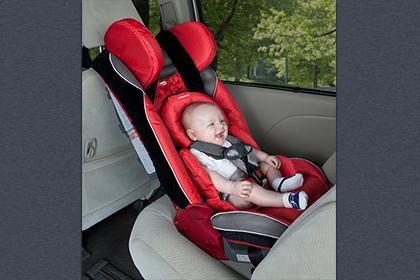
The moment you drive away from the hospital with your precious new baby is one filled with immense joy, but also a healthy dose of anxiety. You want to do everything right, starting with ensuring their car seat is installed perfectly. Don't worry; you're not alone in feeling a little overwhelmed.
Learning the ins and outs of car seat installation is one of the most important things you can do as a new parent. It dramatically improves your child's safety in the car, giving you peace of mind every time you hit the road. Knowing you’ve taken the necessary steps for proper car seat use empowers you to protect your little one.
Start by familiarizing yourself with your car seat’s instruction manualbeforeyou even try to install it. Understanding the specific requirements and limitations of your seat is crucial for safe and correct installation.
Understanding Car Seat Basics
Choosing the right car seat can feel like navigating a maze of options. But breaking it down by stage and installation type makes the process manageable. The primary types are rear-facing car seats (for infants and young toddlers), forward-facing car seats (for older toddlers and preschoolers), and booster seats (for school-aged children). Each type has its own set of installation guidelines, and understanding these differences is critical.
Rear-facing car seats are designed to protect infants and young toddlers in a crash by distributing the force across the entire back of the seat. Keep your child rear-facing as long as possible, up to the maximum weight and height limits specified by the car seat manufacturer. This is generally the safest position for young children.
Forward-facing car seats with a harness are for children who have outgrown the rear-facing weight and height limits. These seats provide protection by securing the child in the event of a collision. Ensure the harness straps are snug and properly positioned.
Booster seats are designed for older children who are too big for forward-facing car seats but still too small to safely use the vehicle’s seat belt alone. Booster seats raise the child, allowing the seat belt to fit properly across the shoulder and hips.
How do I know which car seat is right for my child?
The best car seat for your child depends on their age, weight, and height, as well as the specific car seat’s weight and height limits. Always consult the car seat’s instruction manual and your pediatrician for guidance. Reputable sources like the National Highway Traffic Safety Administration (NHTSA) website also offer helpful resources.
What is LATCH?
LATCH stands for Lower Anchors and Tethers for Children. It’s a system that simplifies car seat installation by using lower anchors and a top tether instead of the vehicle’s seat belts. Most new vehicles and car seats are equipped with LATCH, but it’s essential to know your vehicle's and car seat’s LATCH weight limits.
Step-by-Step Installation Guide
Proper car seat installation can seem daunting, but following a step-by-step approach can make the process much smoother. Always refer to both your car seat’s instruction manual and your vehicle owner’s manual for specific guidance.
1.Read the Manuals: Start by carefully reading both the car seat’s instruction manual and your vehicle owner’s manual. These manuals provide critical information about installation methods, weight limits, and safety guidelines specific to your seat and vehicle.
2.Choose the Right Location: Decide where you will install the car seat. The back seat is generally the safest location, away from active airbags.
3.Use LATCH or Seat Belt: Determine whether you will use the LATCH system or the vehicle’s seat belt to install the car seat. If using LATCH, attach the lower anchors to the corresponding anchors in your vehicle. If using the seat belt, thread the belt through the correct path on the car seat, following the instructions in the manual.
4.Tighten and Secure: Tighten the LATCH straps or seat belt until the car seat is securely installed. The car seat should not move more than one inch in any direction when tested at the belt path.
5.Attach the Top Tether (Forward-Facing Seats): For forward-facing car seats, always attach the top tether to the designated anchor point in your vehicle. The top tether helps to stabilize the car seat and reduce forward movement in a crash.
6.Check the Angle: Ensure the car seat is at the correct angle for your child’s age and weight. Many car seats have built-in level indicators to help you achieve the proper angle.
7.Final Check: Once the car seat is installed, double-check everything. Make sure the LATCH straps or seat belt are tight, the top tether is attached (if applicable), and the car seat doesn’t move excessively.
Common Mistakes to Avoid
Even experienced parents can make mistakes when installing car seats. Here are some common errors to avoid: Loose Installation: One of the most common mistakes is failing to tighten the car seat properly. A loose car seat can move excessively in a crash, reducing its effectiveness. Incorrect Harness Placement: The harness straps should be at or below the shoulders for rear-facing car seats and at or above the shoulders for forward-facing car seats. Using the Wrong LATCH Anchors: Never use LATCH anchors from different seating positions or exceed the weight limits for the LATCH system. Skipping the Top Tether: Forgetting to attach the top tether on a forward-facing car seat can significantly reduce its effectiveness in a crash. Using Bulky Clothing:Bulky clothing can compress in a crash, creating slack in the harness and reducing its effectiveness. Dress your child in thin layers and secure them snugly in the car seat.
Harnessing Your Child Correctly
A properly secured harness is essential for protecting your child in a crash. The harness should be snug, with no slack. You should not be able to pinch any excess webbing at the shoulder.
The chest clip should be positioned at armpit level. This helps to keep the harness straps in the correct position and prevents them from slipping off your child’s shoulders.
Regularly check the harness fit as your child grows. You may need to adjust the harness straps to ensure they are always at the correct height.
Car Seat Safety Checks and Expiration Dates
It’s a good idea to have your car seat checked by a certified child passenger safety technician. These technicians can inspect your installation and provide guidance on proper car seat use. Many local fire departments, hospitals, and community organizations offer free car seat checks.
Car seats don’t last forever. They have expiration dates, typically six to ten years from the date of manufacture. The expiration date is usually printed on a label on the car seat. Expired car seats may have weakened plastic or outdated safety standards.
How do I find a certified car seat safety technician?
You can find a certified child passenger safety technician through organizations like Safe Kids Worldwide and the National Child Passenger Safety Board. Their websites provide directories of certified technicians in your area.
What happens if my car seat is involved in a crash?
If your car seat is involved in a moderate to severe crash, it should be replaced, even if there is no visible damage. The forces involved in a crash can weaken the car seat’s structure, compromising its ability to protect your child in a future crash.
Family Road Trip Prep: Extended Safety Considerations
Planning a family road trip requires extra attention to car seat safety. Before you hit the road, double-check the installation of all car seats. Make sure the harnesses are properly adjusted and that your children are comfortable and secure.
Pack a car safety kit that includes essentials like a first-aid kit, flashlight, snacks, water, and extra diapers and wipes. These items can be invaluable in case of an emergency or unexpected delay.
Plan frequent stops to stretch, move around, and take breaks from the car seat. Long periods in a car seat can be uncomfortable for children, so regular breaks can help keep them happy and content.
Never leave your child unattended in a car, even for a few minutes. Temperatures inside a car can rise rapidly, even on a mild day, posing a serious risk of heatstroke.
When should I switch to a booster seat?
Your child is ready for a booster seat when they have outgrown the weight or height limits of their forward-facing car seat with a harness. Generally, this is around age four, but it’s essential to check the car seat’s specific guidelines.
Are there any car seat recalls I should be aware of?
Stay informed about car seat recalls by registering your car seat with the manufacturer. This allows them to notify you directly if there is a recall. You can also check the NHTSA website for a list of current recalls.
Your dedication to keeping your child safe is inspiring. Car seat safety is a journey, and by staying informed and taking the necessary precautions, you’re giving your child the best possible protection on the road. Keep learning, keep checking, and trust your instincts. You’ve got this!
Post a Comment for "Essential Tips for First-Time Parents Installing Car Seats"