
As parents, nothing is more important than the safety of our children, especially when we're on the road. It’s natural to feel a little overwhelmed making sure every detail is right, but remember you're not alone. We're all in this together, learning and adapting to keep our little ones secure.
Understanding how seasonal clothing affects car seat safety is crucial for every parent. Bulky winter coats, for instance, can compress in a crash, leaving the harness too loose and increasing the risk of injury. By learning how to adjust car seats for different types of clothing, you can ensure your child’s car seat harness fits snugly and provides the protection it’s designed to offer, no matter the time of year.
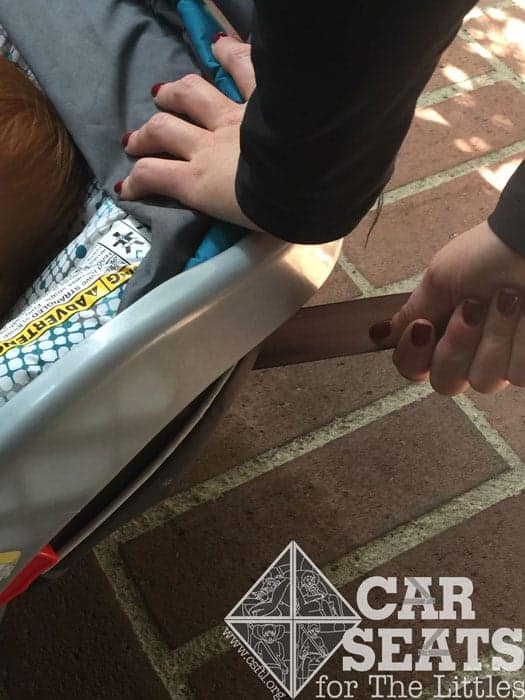
Here's a simple habit to start today: Before each ride, do the "pinch test." After buckling your child, try to pinch the harness strap at their shoulder. If you can pinch any excess webbing, the harness needs to be tightened. A snug harness is a safe harness.
Why Seasonal Clothing Matters for Car Seat Safety
The way we dress our kids changes drastically throughout the year, and these changes have a direct impact on how well their car seats function. While a light t-shirt in the summer poses no real problem, bulky winter coats and snowsuits create a significant safety hazard. The extra padding compresses in a crash, creating slack in the harness. This slack allows the child to move further forward than they should, increasing the risk of serious injury.
Imagine a scenario: You've bundled your child in a thick winter coat, secured them in their car seat, and tightened the harness as much as you can. In a crash, the force of the impact compresses the puffy material of the coat. This creates extra space between your child and the harness, meaning the harness can't effectively restrain them. This is why understanding how to adjust car seats for seasonal clothing is vital.
How do I know if my child's coat is too bulky for the car seat?
A good rule of thumb is if the coat is thick enough that it changes how the harness fits, it's too bulky. Always test the harness fit with the coat on and off to see the difference.
What are some safe alternatives to bulky coats in the car seat?
Consider dressing your child in thin layers, such as thermal shirts and fleece jackets. You can also use a car seat-safe blanketoverthe buckled harness to keep them warm. Another option is a car seat poncho, which allows the harness to fit properly underneath the poncho.
Adjusting the Harness for a Snug Fit
The core of car seat safety revolves around a properly fitted harness. Whether you're dealing with a rear-facing car seat, a forward-facing car seat, or a booster seat, the principle remains the same: the harness should be snug and positioned correctly. A snug harness means that you cannot pinch any excess webbing at the child's shoulder.
For rear-facing car seats, the harness straps should be at orbelowthe child's shoulders. For forward-facing car seats, the harness straps should be at orabovethe child's shoulders. Always refer to your car seat's instruction manual for specific guidance, as car seat models can vary.
When adjusting the harness, ensure the chest clip is positioned at armpit level. This clip helps keep the harness straps in the correct position on the child's shoulders. Never place the chest clip on the child's neck or abdomen.
Remember to readjust the harness every time your child's clothing changes significantly. What works with a thin sweater might not work with a fleece jacket. Take a moment before each ride to check the harness fit and make any necessary adjustments.
What happens if the harness straps are twisted?
Twisted harness straps can compromise the effectiveness of the car seat. They can dig into the child's skin and distribute crash forces unevenly. Untwist the straps by pulling them through the harness slots and smoothing them out.
How often should I check the harness tightness?
Ideally, check the harness tightness before every ride. Children can move around in the car, and even a slight shift can loosen the harness. A quick check ensures they're always properly secured.
Safe Winter Dressing Tips
Winter presents unique challenges when it comes to car seat safety. The key is to keep your child warm without compromising the harness fit. Here are some practical tips: Dress in Layers: Instead of a single bulky coat, opt for multiple thin layers. Thermal underwear, fleece jackets, and sweaters provide warmth without adding excessive bulk. Use a Car Seat-Safe Blanket: After securing your child in the car seat, tuck a blanket around themoverthe harness. This provides extra warmth without interfering with the harness fit. Consider a Car Seat Poncho: Car seat ponchos are designed to be worn over the car seat, allowing the harness to fit properly underneath. Preheat the Car: Start the car a few minutes before you leave to warm it up. This reduces the need for bulky clothing in the first place. Reverse the Coat:You can also put the coat on backwards after the child is buckled, with their arms through the armholes. This provides warmth without interfering with the harness.
Beyond Clothing: General Car Seat Safety
Adjusting for seasonal clothing is just one piece of the car seat safety puzzle. Regular maintenance and awareness are equally important.
LATCH System & Proper Installation: Understanding the LATCH system (Lower Anchors and Tethers for Children) and how to use it correctly is crucial. If you're unsure about your car seat installation, seek assistance from a certified Child Passenger Safety Technician (CPST). They can inspect your installation and provide guidance. Car Seat Expiration Dates: Car seats have expiration dates. These dates are determined by the manufacturer and are based on the seat's plastic degrading over time and the constantly evolving safety standards. Always check the expiration date on your car seat and replace it if it's expired. The date is usually printed on a sticker on the side or bottom of the seat. Rear-Facing as Long as Possible: The American Academy of Pediatrics recommends that children remain in rear-facing car seats until they reach the highest weight or height allowed by their car seat manufacturer. Rear-facing car seats provide the best protection in a crash for young children. Booster Seat Readiness: When your child outgrows their forward-facing car seat, it's time to transition to a booster seat. Keep them in a booster seat until they are big enough to fit properly in a seat belt alone – typically when they are 4'9" tall and between 8 and 12 years old. Family Road Trip Prep:Before embarking on a family road trip, double-check your car seats, pack emergency supplies, and plan for frequent breaks. A well-prepared road trip is a safer road trip.
Where can I find a certified Child Passenger Safety Technician (CPST)?
You can find a CPST through organizations like Safe Kids Worldwide or your local fire department. CPSTs can provide hands-on assistance with car seat installation and answer any questions you have about child passenger safety.
How do I register my car seat?
Registering your car seat with the manufacturer allows them to contact you in case of a recall. You can usually register your car seat online or by mail using the registration card that comes with the seat.
Taking a few extra moments to adjust your child's car seat for seasonal clothing, double-checking the harness fit, and staying informed about car seat safety guidelines can make all the difference. You've got this! Every small step you take to prioritize your children's safety contributes to safer, happier journeys for your whole family. Remember to trust your instincts, stay curious, and never hesitate to seek help when you need it.
Post a Comment for "How to Adjust Car Seats for Seasonal Clothing"