
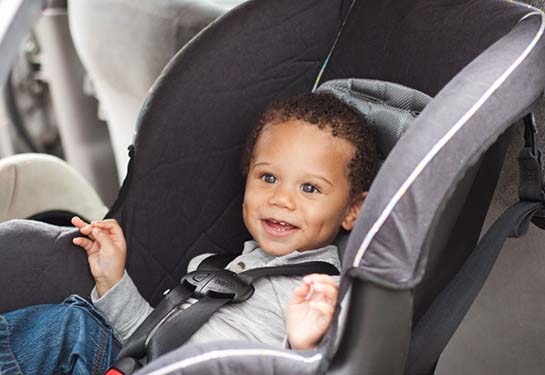
As parents, we know that nothing is more important than ensuring our children's safety, especially when we're on the move. Whether you're hailing a taxi across town or catching a rideshare to the airport, the question of car seat safety can bring up a lot of stress.
Understanding how to properly use a car seat in taxis and rideshares isn't just about following the law; it's about giving you the peace of mind that your child is as protected as possible. This guide will equip you with the knowledge and strategies to confidently navigate transportation options, ensuring your little ones are secure and comfortable on every journey.
One simple habit you can adopt today is to always plan ahead. If you know you’ll be using a taxi or rideshare, consider bringing your own car seat or booster. A little preparation goes a long way in safeguarding your child.
Understanding Car Seat Safety in Taxis and Rideshares
Navigating car seat safety in taxis and rideshares presents unique challenges. Unlike your personal vehicle, you can't assume these cars will have the necessary anchors or the right environment for your child’s car seat. Let's explore how to make informed decisions and take the right precautions.
The Law and Car Seats in Commercial Vehicles
The laws regarding car seats in taxis and rideshares vary by location. Many jurisdictions offer exemptions for taxis, meaning they aren't always required to have car seats available. However, these exemptions don’t negate your responsibility as a parent to protect your child. Rideshare services like Uber and Lyft generally follow local laws, but policies can be complex and inconsistent. It’s crucial to check local regulations and the specific policies of the rideshare company you plan to use. Remember, even if the law doesn't mandate a car seat, safety should always be your top priority.
Why Bringing Your Own Car Seat is Best
Relying on a taxi or rideshare to provide a car seat can be risky. You might not know the seat's history, whether it’s been properly maintained, or if it’s the right fit for your child. Bringing your own car seat ensures that you have a familiar, trusted device that you know is installed correctly and appropriate for your child's age, weight, and height. This approach offers the highest level of child passenger safety.
What to Consider When Choosing a Portable Car Seat
When selecting a car seat for travel or use in taxis and rideshares, prioritize portability and ease of installation. Look for lightweight models that are easy to carry through airports or city streets. Car seats with simple LATCH installation systems or those that can be securely installed with a seatbelt are ideal. Convertible car seats can be a great option as they transition from rear-facing to forward-facing as your child grows, and some models are specifically designed for travel.
Installing a Car Seat in a Taxi or Rideshare
Correct installation is key to a car seat’s effectiveness. Here’s a step-by-step guide to ensure your child's seat is secure:
1.Read the Car Seat Manual: Familiarize yourself with the car seat’s specific instructions before you even leave home. Every car seat is different, and understanding the manufacturer’s recommendations is critical.
2.Position the Car Seat: Place the car seat in the appropriate position based on your child’s age and the car seat type (rear-facing, forward-facing, or booster). Rear-facing car seats are safest for infants and toddlers, and should be installed in the back seat.
3.Use LATCH or Seatbelt: If the vehicle has LATCH anchors, use them to secure the car seat. Ensure the connectors click into place and that the straps are tightened appropriately. If LATCH isn't available, use the vehicle’s seatbelt, following the car seat’s instructions for routing the belt. Lock the seatbelt to prevent it from loosening.
4.Tighten and Test: Once installed, give the car seat a firm shake at the belt path. It shouldn't move more than one inch in any direction. If it does, tighten the LATCH straps or seatbelt and re-test.
5.Secure Your Child: Place your child in the car seat and secure them with the harness. The harness straps should be snug but not too tight, and positioned at or slightly below the shoulders for rear-facing seats, and at or slightly above the shoulders for forward-facing seats.
6.Double-Check Everything: Before starting your journey, double-check that all connections are secure, the harness is properly adjusted, and your child is comfortable.
Common Car Seat Installation Mistakes to Avoid
Loose Installation: The most common mistake is not tightening the car seat sufficiently. A loose car seat can move dangerously in a crash. Incorrect Harness Placement: Positioning the harness straps incorrectly can compromise their effectiveness. Always follow the manufacturer’s instructions for harness height and tightness. Using LATCH and Seatbelt Together: Never use both LATCH and a seatbelt to install a car seat at the same time unless the car seat manufacturer explicitly allows it. This can create too much stress on the car seat in a crash. Forgetting the Top Tether: For forward-facing car seats, always use the top tether to further secure the seat and reduce forward head movement in a crash. Ignoring the Car Seat Manual:Each car seat has unique installation requirements. Always refer to the manual for specific guidance.
Alternatives to Bringing Your Own Car Seat
Sometimes, bringing your own car seat simply isn’t feasible. Whether you’re traveling light or space is limited, here are some alternative strategies to consider:
Requesting a Car Seat Equipped Ride
Some rideshare services, like Uber Car Seat (available in select cities), offer vehicles equipped with car seats. While this can be convenient, it’s important to note that availability may be limited, and you should always inspect the car seat upon arrival to ensure it’s properly installed and suitable for your child. Check the car seat's expiration date and ensure it appears to be in good condition.
Travel Vest Restraints
Travel vests like the Ride Safer Travel Vest can be a viable alternative to traditional car seats for older toddlers and preschoolers (typically ages 3+). These vests meet federal safety standards and provide a secure harness system that attaches to the vehicle’s seatbelt. They are lightweight, easy to pack, and can be a good option when traveling.
Using a Bubble Bum Inflatable Booster Seat
For children who are big enough for a booster seat but not quite ready to use the vehicle’s seatbelt alone, the Bubble Bum inflatable booster seat can be a practical choice. This booster seat is lightweight, deflates for easy storage, and provides the necessary lift to ensure the seatbelt fits properly. It’s ideal for travel and situations where space is limited.
Prioritizing Safety When Alternatives Are Necessary
If you must use a taxi or rideshare without a car seat, consider these precautions: Buckle Up: Always ensure that you and your child are properly buckled up with the vehicle’s seatbelts. While this isn't as safe as using a car seat, it’s better than nothing. Hold Your Child Securely: If you have no other option, hold your child securely in your lap in the back seat. While this is not recommended as a primary safety measure, holding your child firmly can provide some additional protection in the event of a sudden stop. Choose a Safe Route: Ask the driver to take a route that avoids highways and high-speed roads whenever possible. Slower speeds reduce the risk of serious injury in a crash. Advocate for Safety: Don’t hesitate to speak up if you feel the driver is driving recklessly. Your child’s safety is paramount, and you have the right to request safer driving practices.
Family Road Trip Prep: Maximizing Safety and Comfort
Planning a family road trip requires extra attention to safety and comfort. Here's how to prepare for a smooth and secure journey:
Car Seat Check-Up
Before embarking on a long road trip, schedule a car seat check-up with a certified Child Passenger Safety Technician (CPST). These experts can ensure that your car seats are correctly installed, properly adjusted, and appropriate for your child’s age and size. Find a local CPST through organizations like Safe Kids Worldwide.
Packing for Comfort and Entertainment
Long car rides can be challenging for children, so pack plenty of items to keep them comfortable and entertained. Bring snacks, drinks, books, toys, and electronic devices with age-appropriate content. Consider downloading movies or TV shows for offline viewing. A travel pillow and blanket can also help your child relax and sleep comfortably.
Regular Breaks and Rest Stops
Plan regular breaks and rest stops to stretch your legs, use the restroom, and get some fresh air. Frequent breaks can help prevent fatigue and improve alertness for both the driver and passengers. Look for rest areas with playgrounds or open spaces where children can run around and burn off energy.
Emergency Preparedness
Pack an emergency kit with essential items like a first-aid kit, flashlight, jumper cables, extra batteries, and a blanket. Ensure that you have a fully charged cell phone and a car charger. If traveling in winter, include items like snow chains, a shovel, and warm clothing.
People Also Ask: How do I know if my child is ready for a booster seat? A child is typically ready for a booster seat when they have outgrown their forward-facing car seat, usually around age 4 and 40 pounds. They should also be mature enough to sit properly in the booster seat for the entire ride without slouching or playing with the seatbelt. The vehicle’s seatbelt should fit correctly, with the lap belt lying low across the hips and the shoulder belt crossing the chest and shoulder. What are car seat expiration dates, and why are they important? Car seats have expiration dates because the plastic and other materials can degrade over time, compromising their ability to protect your child in a crash. Additionally, safety standards and technology evolve, making older car seats less effective. Always check the expiration date on your car seat and replace it if it has expired or if it has been involved in a crash. *Where can I find reliable information about car seat safety standards? Reliable information about car seat safety standards can be found on the National Highway Traffic Safety Administration (NHTSA) website, Safe Kids Worldwide, and your car seat manufacturer’s website. These sources provide up-to-date information on regulations, best practices, and product recalls.
We know thinking about all these safety factors can feel overwhelming, but remember that every step you take, big or small, contributes to keeping your child safe. Drive safely, travel smart, and enjoy making memories with your family, knowing you’ve done everything you can to protect them.
Post a Comment for "How to Use a Car Seat in a Taxi or Rideshare"