
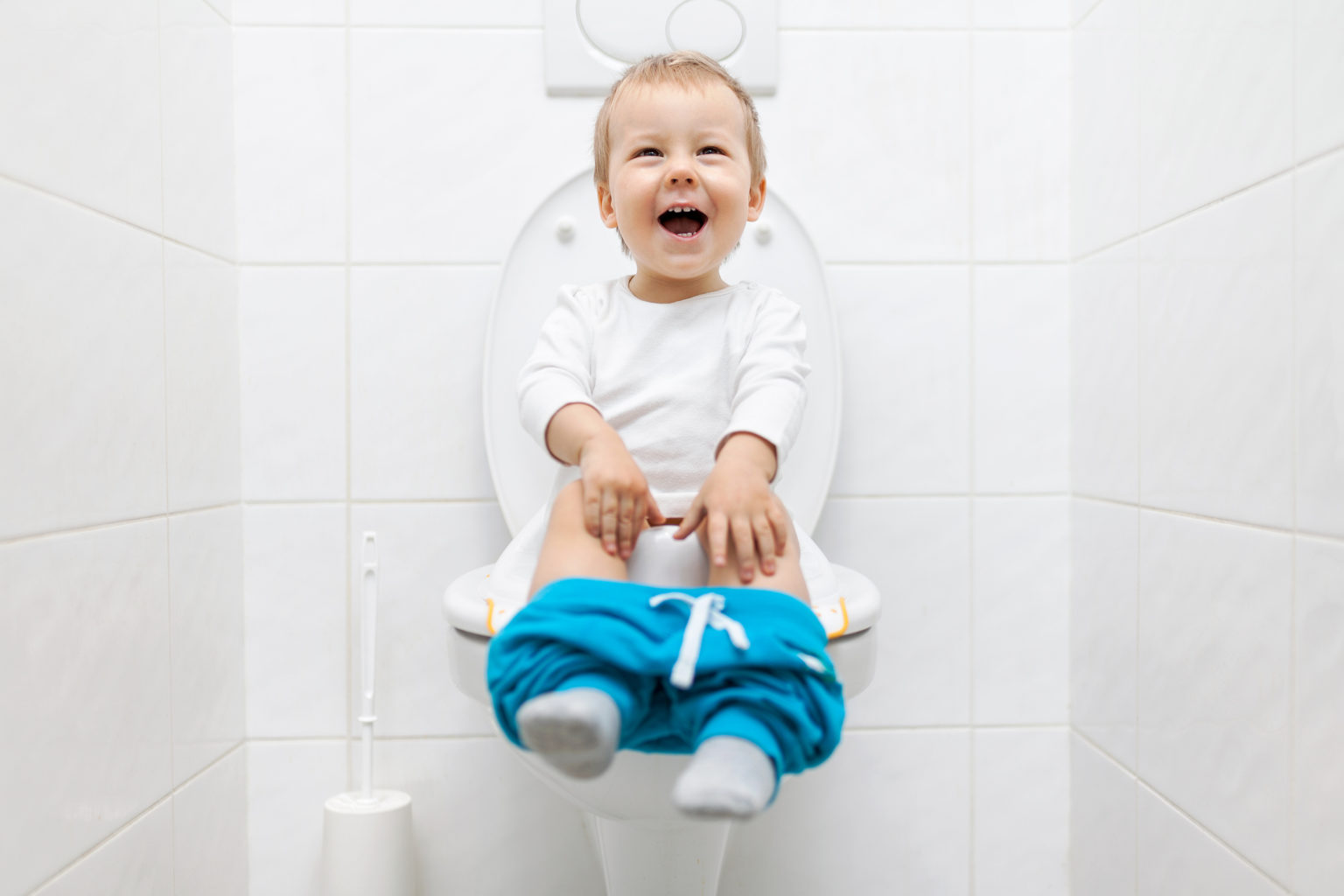
The open road calls, and with it, the exciting – and sometimes daunting – challenge of potty training your little one. You want to embrace the adventure, but the thought of accidents during long car rides can bring a knot of worry to your stomach. Rest assured, you're not alone. With a little preparation and the right strategies, you can navigate this milestone while keeping your child comfortable, safe, and dry on your family journeys.
Potty training on the go doesn't have to mean constant stress and messy situations. It's about minimizing disruption and maximizing comfort. By proactively addressing potential challenges, you can create a more relaxed and enjoyable experience for everyone in the car. This not only reduces anxiety for you and your child but also helps maintain focus on the road, ensuring safer driving conditions for your family.
Before you embark on your trip, create a "potty kit" to keep in the car. This should include wipes, extra changes of clothes (more than you think you'll need!), plastic bags for soiled items, and a travel potty seat. Having these essentials readily available can make all the difference when the urge strikes.
Planning Ahead for Potty Breaks
Successful potty training on long car rides hinges on careful planning. Think of it as mapping out your route not just for destinations, but for accessible restrooms as well. Knowing where you can stop and anticipating your child's needs will dramatically reduce anxiety and the potential for accidents.
Mapping Rest Stops and Considering Detours
Before hitting the road, take the time to identify potential rest stops along your route. Apps and websites dedicated to finding gas stations, restaurants, and travel centers can be invaluable resources. Pay attention to the cleanliness rating of these establishments, if available, because a clean and inviting restroom can make a big difference for a child who is newly potty trained.
Don't be afraid to deviate slightly from your planned route if it means ensuring access to a reliable restroom. A quick detour to a family-friendly restaurant or a well-maintained park might add a few minutes to your journey, but the peace of mind and the opportunity for a successful potty break are well worth it.
Timing and Hydration
Timing potty breaks strategically is crucial. Aim to stop every two to three hours, even if your child doesn't explicitly ask to go. This provides regular opportunities to empty their bladder and helps prevent accidents. Offer a potty break before getting into the car, and again shortly after starting your journey.
While it's important to keep your child hydrated, be mindful of the types of drinks you offer. Avoid sugary drinks and excessive amounts of juice, as these can increase the frequency of urination. Water is always the best choice. Discourage large drinks right before getting back in the car to minimize the chances of needing to stop again shortly after resuming your trip.
How often should I stop for potty breaks on a road trip?
Generally, aim for every 2-3 hours. However, this can vary depending on your child’s individual needs and fluid intake. Be observant of their cues and adjust accordingly. Always err on the side of stopping more frequently rather than less.
Creating a Comfortable and Supportive Car Environment
The car environment plays a significant role in a child's comfort level during potty training. A relaxed and supportive atmosphere can help them feel more confident and less anxious, reducing the likelihood of accidents.
Choosing the Right Travel Potty Seat
There are numerous travel potty seat options available, ranging from foldable, lightweight models to those that resemble miniature toilets. Choose one that is stable, easy to clean, and comfortable for your child. Consider letting your child help choose the potty seat to give them a sense of ownership and control.
Practice using the travel potty seat at home before your trip. This will help your child become familiar with it and reduce any potential anxiety about using it in the car. Make sure you also have a supply of disposable potty liners or bags for easy and hygienic cleanup.
Using Absorbent Seat Protection
Even with the best planning, accidents can happen. Protect your car seats with absorbent seat protectors designed specifically for potty training. These waterproof and easy-to-clean pads can save you from major messes and make cleanup a breeze.
Consider using a combination of seat protectors and disposable changing pads for extra protection. Place a changing pad on top of the seat protector for added absorbency. This can be particularly helpful if you anticipate longer stretches between potty breaks.
Maintaining a Positive and Encouraging Attitude
Your attitude can significantly impact your child's confidence and willingness to cooperate with potty training on the go. Remain calm and supportive, even if accidents occur. Avoid scolding or expressing frustration, as this can create anxiety and make the situation worse.
Praise your child for their efforts, even if they don't always succeed. Acknowledge their progress and celebrate small victories. Positive reinforcement will motivate them to continue trying and build their self-esteem. Remember, accidents are a normal part of the potty-training process, especially when traveling.
What if my child has an accident in the car?
Stay calm. Accidents happen. Have your potty kit readily available. Clean your child and the car seat thoroughly, using the seat protectors and disposable changing pads. Reassure your child that it's okay and that you'll try again at the next stop.
Engaging Activities to Distract and Entertain
Keeping your child engaged and entertained during long car rides can help distract them from the urge to go to the bathroom and reduce boredom-related accidents.
Interactive Games and Stories
Engage your child in interactive games and stories to keep their minds occupied. Classic car games like "I Spy" and "20 Questions" are always a hit. Audiobooks and podcasts designed for children can provide hours of entertainment and learning.
Consider downloading educational apps or games onto a tablet or smartphone. These can provide a stimulating and engaging activity that keeps your child focused and entertained. Choose apps that are age-appropriate and promote learning and creativity.
Comfort Items and Familiar Routines
Bring along your child's favorite comfort items, such as a stuffed animal, blanket, or toy. These familiar objects can provide a sense of security and reduce anxiety, making it easier for them to relax and cooperate with potty training.
Maintain familiar routines as much as possible. If your child has a regular nap time or bedtime routine, try to stick to it while traveling. This can help them feel more comfortable and secure, and reduce the likelihood of accidents due to fatigue or stress.
When should I switch to a booster seat?
This depends on your child's height, weight, and age. Consult your car seat's manual and your state's laws for specific guidelines. Generally, children are ready for a booster seat when they have outgrown their forward-facing car seat, typically around age 4 and 40 pounds.
Essential Items for Your On-the-Go Potty Training Kit
Having a well-stocked potty training kit readily available in your car is crucial for managing accidents and ensuring a smooth journey. Here's a checklist of essential items: Travel potty seat: A foldable, lightweight model with disposable liners or bags. Wipes: Plenty of baby wipes for quick and easy cleanups. Extra changes of clothes: Pack more than you think you'll need, including underwear, pants, and shirts. Plastic bags: For soiled clothes and diapers. Absorbent seat protectors: Waterproof pads to protect your car seats. Disposable changing pads: For extra absorbency and easy cleanup. Hand sanitizer: To keep hands clean after potty breaks. Small toys or books: To distract and entertain your child during potty breaks. Snacks and drinks: To keep your child hydrated and satisfied. First-aid kit: For any minor injuries or emergencies.
By being prepared with these essential items, you can handle accidents confidently and ensure a comfortable and hygienic experience for your child. Remember to replenish your kit after each trip to ensure you're always ready for the next adventure.
Family road trips are some of life’s most unforgettable memory-making adventures. By tackling potty training with confidence and planning, you’re giving your child the best chance for success while keeping them safe on the road. Enjoy the journey, celebrate every milestone, and remember that you’re doing a great job!
Post a Comment for "How to Handle Potty Training During Long Rides"