
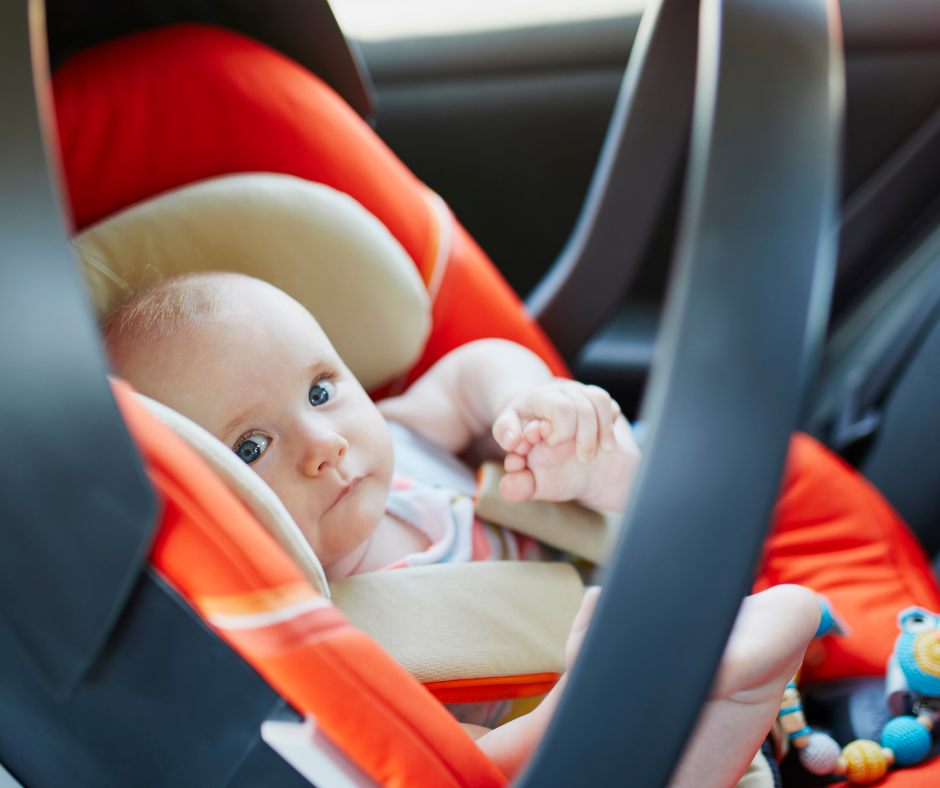
The thought of something happening to your little one while driving is every parent's biggest fear. You buckle them in, double-check the straps, and hope for a safe journey. But sometimes, despite our best efforts, oversights happen, especially in the rush of daily life. It's easy to get distracted, but when it comes to your child's safety in and around cars, awareness is key.
This information is designed to help you create a safer driving environment for your toddler, particularly regarding the dangers of hot cars. We'll provide simple strategies and reminders to ensure your child’s well-being during every ride, focusing on prevention and quick action should an emergency arise. Let's work together to make car trips safe and comfortable for your precious cargo.
Make it a habittodayto place your phone, purse, briefcase, or even a small stuffed animal in the back seat next to your toddler’s car seat. This simple reminder can drastically reduce the risk of accidentally leaving your child in the car.
Understanding the Dangers of Heatstroke in Vehicles
Heatstroke is a serious threat to children left in cars, even on moderately warm days. A car's interior can heat up incredibly quickly, reaching dangerous temperatures within minutes. Toddlers are particularly vulnerable because their bodies overheat three to five times faster than adults. They can’t regulate their body temperature as efficiently, making them more susceptible to heatstroke, which can lead to organ damage, brain injury, or even death. It’s crucial to understand just how fast a car can heat up. On an 80-degree day, the temperature inside a car can climb to over 100 degrees in just 10 minutes. Even with the windows cracked, the temperature rise remains dangerously rapid.
It is a myth that cracking the windows provides enough relief. While a small opening might seem helpful, it does little to slow down the heating process significantly. The sun’s rays entering the car will still cause a rapid increase in temperature, creating a hazardous environment for any child left inside. Prevention is always the best strategy.
People Also Ask: How quickly can a car heat up to dangerous levels?
Even on mild days, the interior of a car can reach deadly temperatures in a surprisingly short amount of time. In just 10 minutes, the temperature inside a car can rise by approximately 20 degrees. So, on a 70-degree day, the interior can reach 90 degrees, posing a significant risk to a child left unattended. The darker the car's interior, the quicker it will heat up.
Practical Strategies to Prevent Leaving Your Child in the Car
Establishing clear habits and routines is the most effective way to prevent forgetting your child in the car. Technology can also play a helpful role, but it's important not to rely solely on it. A multi-layered approach will give you the best chance of keeping your little one safe.
"Look Before You Lock": Make it a habit to always open the back door to check the back seat, even if you're certain your child isn't with you. This quick check can become second nature. The Visual Reminder: Place an essential item – your phone, purse, employee ID badge, or even one of your shoes – in the back seat next to your child’s car seat. This forces you to open the back door when you arrive at your destination, serving as a visual reminder. The "Teddy Bear" Strategy: Keep a stuffed animal in your child's car seat. When your child is in the seat, move the stuffed animal to the front passenger seat. This visual cue will remind you that your child is in the back. Communicate Clearly: If you’re dropping your child off at daycare or with another caregiver, establish a clear communication plan. The caregiver should call you if your child doesn’t arrive as scheduled. Set a Recurring Alarm: Set a daily alarm on your phone with a reminder to "Check the back seat!" This can be especially helpful on days when your routine changes. Use Technology: Many car seat manufacturers and aftermarket companies offer car seat alarms or sensor systems that can alert you if you accidentally leave your child in the car. Research and choose a system that fits your needs. Park Strategically: When possible, park in well-lit and highly visible areas. This will not only make your car more secure but also increase the likelihood of someone noticing if a child is left unattended.
By consistently implementing these strategies, you can significantly reduce the risk of forgetting your child in the car. Remember, no strategy is foolproof on its own, so combining several methods is the most effective approach.
People Also Ask: Are there car seats that alert you if a child is left inside?
Yes, several car seat manufacturers and aftermarket companies offer car seats and sensor systems designed to alert parents if a child is left unattended in a vehicle. These systems typically use sensors to detect the presence of a child in the car seat and can send alerts to the parent's smartphone via a mobile app. Some systems also integrate with the vehicle's alarm system to sound an audible alert.
Car Seat Safety Tips for Toddlers
Ensuring your toddler is correctly secured in their car seat is paramount. As they grow, their car seat needs and the way you secure them will change. Always refer to your car seat’s instruction manual and your vehicle owner’s manual for specific guidance.
Rear-Facing is Best: Keep your child in a rear-facing car seat for as long as possible, until they reach the highest weight or height allowed by your car seat’s manufacturer. Rear-facing car seats provide the best protection in a crash. Many parents are eager to switch their kids to forward-facing too early, but waiting is the safest choice. Harness Straps Placement: When rear-facing, the harness straps should be at orbelowyour child’s shoulders. When forward-facing, the straps should be at orabovetheir shoulders. Proper strap placement is crucial for effective restraint. Snug Harness: Ensure the harness straps are snug. You should not be able to pinch any excess webbing at the shoulder. A properly tightened harness ensures your child stays securely in the seat during a sudden stop or crash. Chest Clip Position: The chest clip should be positioned at armpit level, across your child’s chest. It’s designed to keep the harness straps properly positioned on your child’s shoulders. Avoid Bulky Clothing: Thick winter coats and bulky clothing can compress in a crash, leaving the harness too loose. Dress your child in thinner layers and cover them with a blanketafterthey are properly secured in the car seat. Proper Installation: Ensure your car seat is installed correctly using either the seat belt or the LATCH system. Refer to your car seat and vehicle owner's manuals for detailed instructions. If you're unsure, seek help from a certified Child Passenger Safety Technician (CPST). Car Seat Expiration: Car seats have expiration dates! Check the date on your car seat and replace it before it expires. Over time, the plastic can degrade, and safety standards may change. Never Leave Unattended:Never leave your child unattended in a car, even for a minute. The risks are simply too great.
People Also Ask: Where can I get help installing my car seat?
Certified Child Passenger Safety Technicians (CPSTs) can help you install your car seat correctly. You can find a local CPST through organizations like the National Highway Traffic Safety Administration (NHTSA) or Safe Kids Worldwide. Many fire departments and hospitals also offer car seat installation assistance.
What to Do If You See a Child Alone in a Car
Knowing how to react if you see a child alone in a car can be life-saving. Quick, decisive action is crucial.
Assess the Situation: Check if the child is responsive, alert, and appears to be in distress. Look for signs of heatstroke, such as flushed skin, rapid breathing, confusion, or vomiting. Call 911 Immediately: Even if the child seems okay, call 911 to report the situation. Provide the dispatcher with as much information as possible, including the car's location, make, model, and license plate number. Attempt to Locate the Parent: If the child is not in immediate danger, try to locate the parent or caregiver. Check nearby stores, restaurants, or businesses. Ask if anyone has seen the car's owner. If the Child is in Distress: If the child is showing signs of heatstroke or is otherwise in distress, and you can't locate the parent quickly, you may need to take more drastic action. Laws vary by state regarding "Good Samaritan" protection for breaking into a car to rescue a child. However, many states offer some level of immunity from civil liability if you act in good faith to rescue a child from imminent danger. Break a Window: If you decide to break a window, choose one that is furthest away from the child. Use a tool like a hammer, a lug wrench, or even a rock to break the glass. Once the window is broken, unlock the car and remove the child. Provide First Aid: While waiting for emergency services to arrive, move the child to a cooler place, such as in the shade or inside an air-conditioned building. Remove any excess clothing and try to cool the child down with cool water or wet cloths. Do not give the child anything to drink unless they are fully alert and able to swallow. Stay with the Child:Remain with the child until emergency responders arrive and take over their care. Provide them with comfort and reassurance.
Remember, your actions could save a life. Don't hesitate to act if you see a child alone in a car.
Taking these steps is never easy. It's natural to feel overwhelmed as a parent or caregiver, but remember that you’re not alone. By implementing these safety measures, you are taking proactive steps to ensure the well-being of your child on every journey. Staying informed, being vigilant, and trusting your instincts are your greatest assets in keeping your little one safe. You’ve got this.
Post a Comment for "Keeping Your Toddler Safe in Hot Cars"